











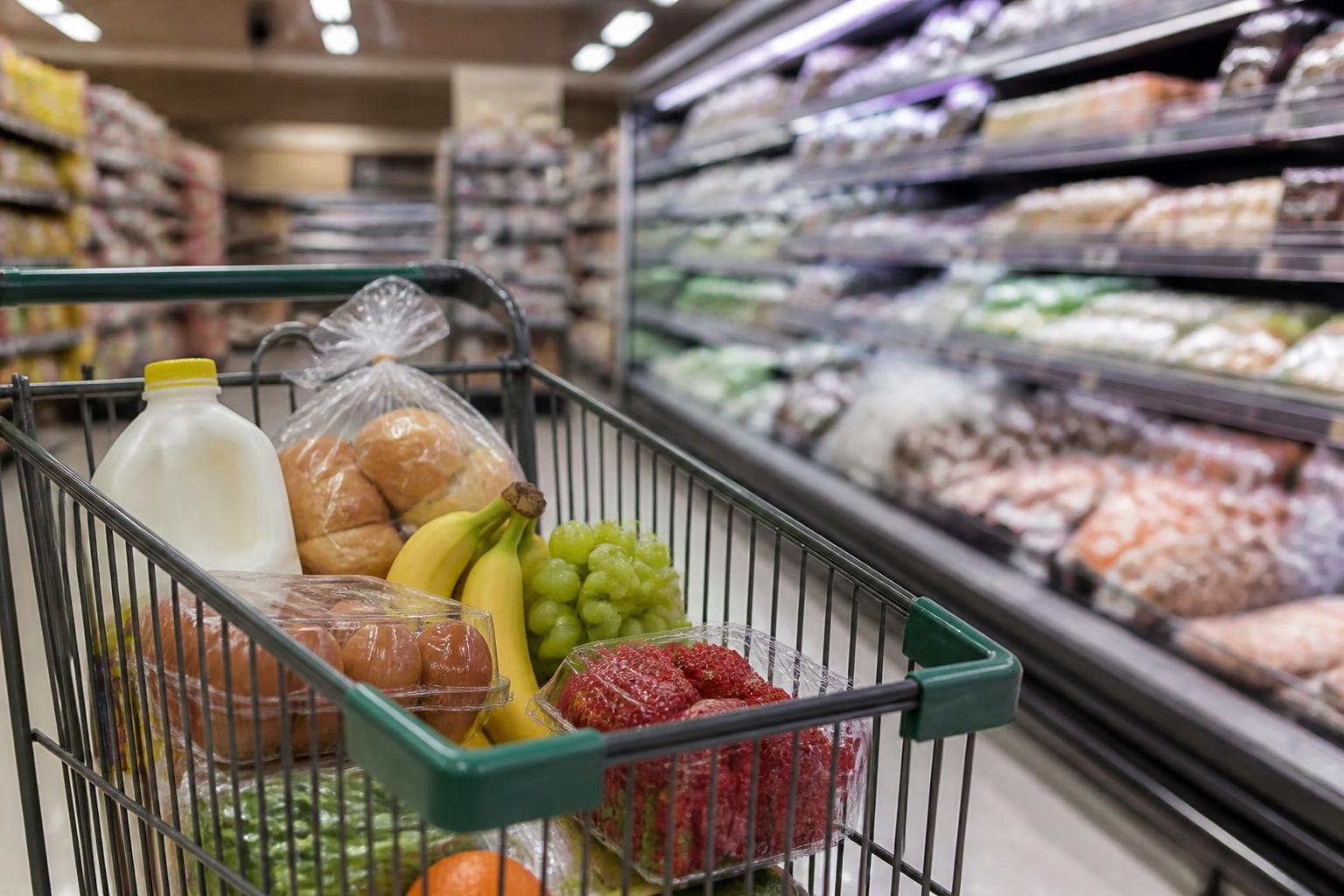
Consumer prices in the Seattle metro area rose 4.4% between August 2025 and August 2026, compared with 3.4% across U.S. cities, the latest Bureau of Labor Statistics figures show.
Seattle’s inflation rate was higher than that of almost every other West Coast city. The San Francisco metro area, a close peer for Seattle, matched the national rate.
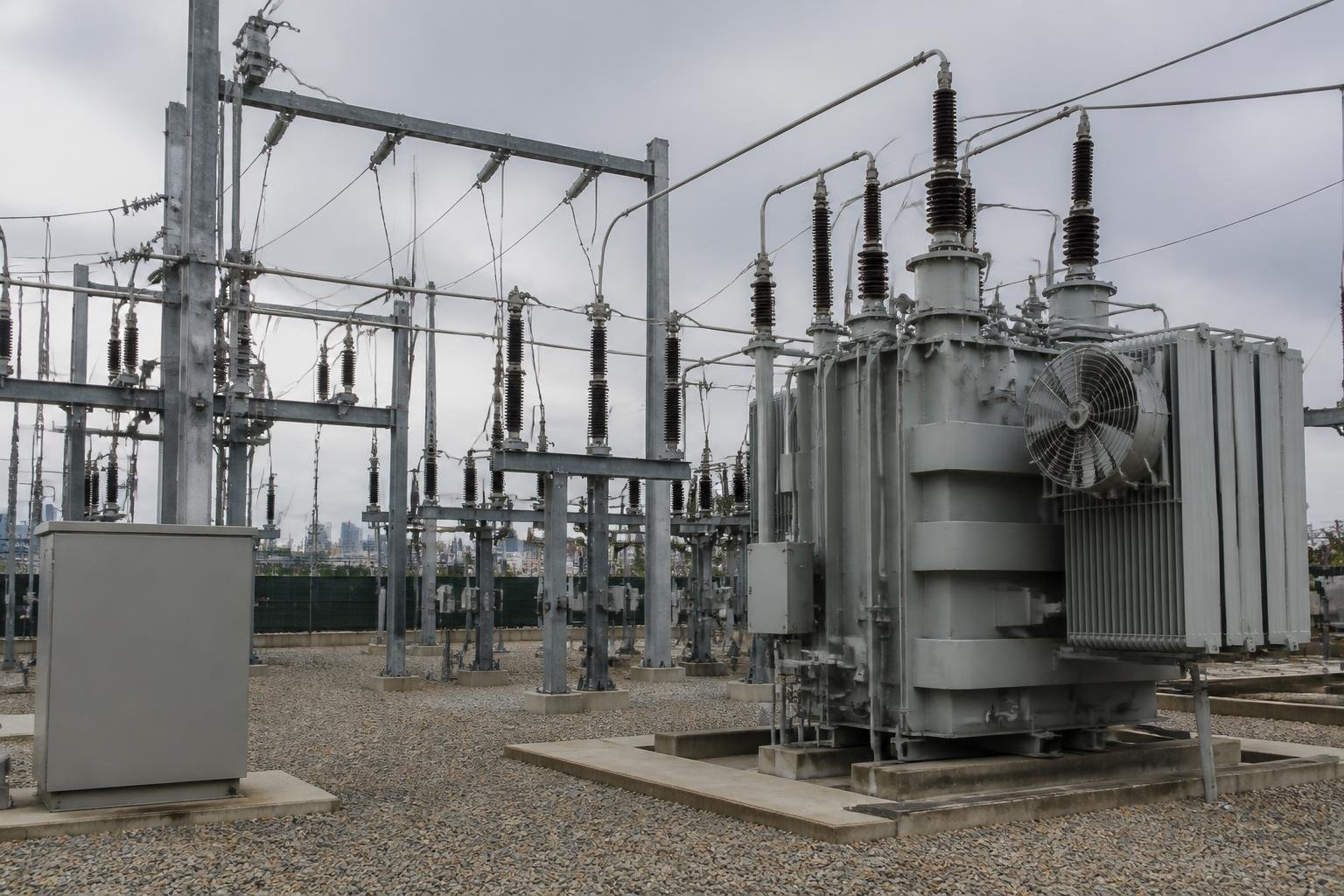
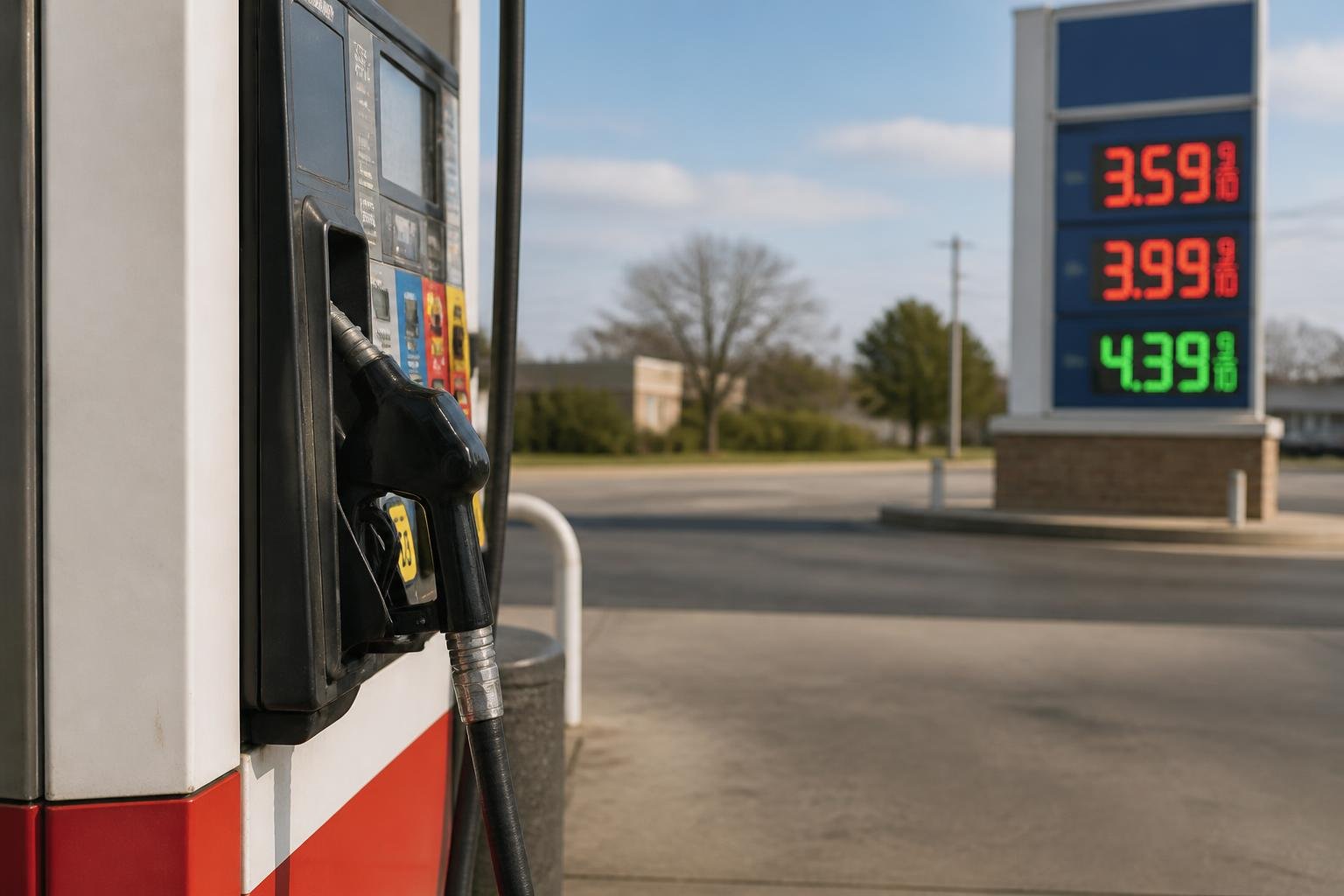
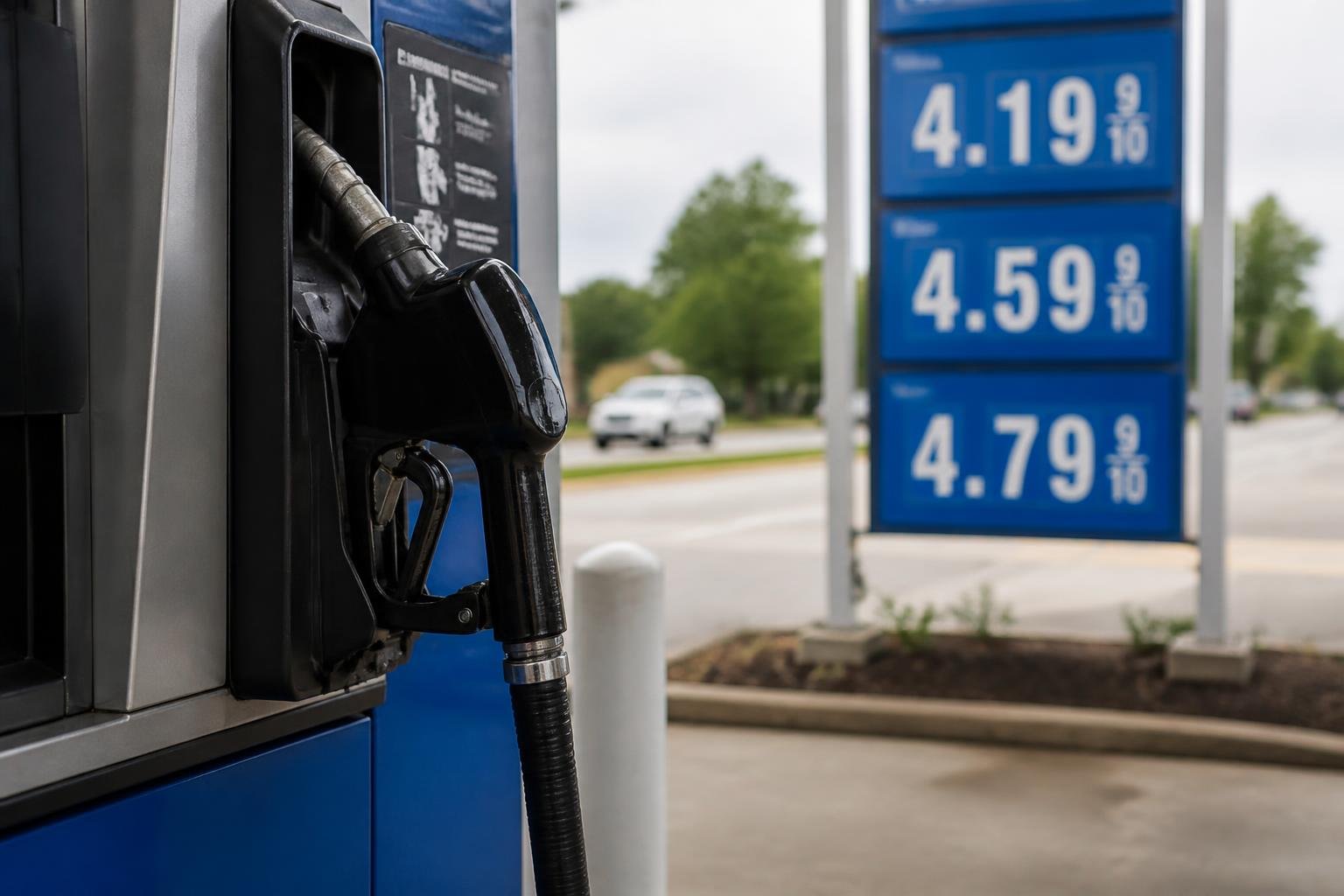
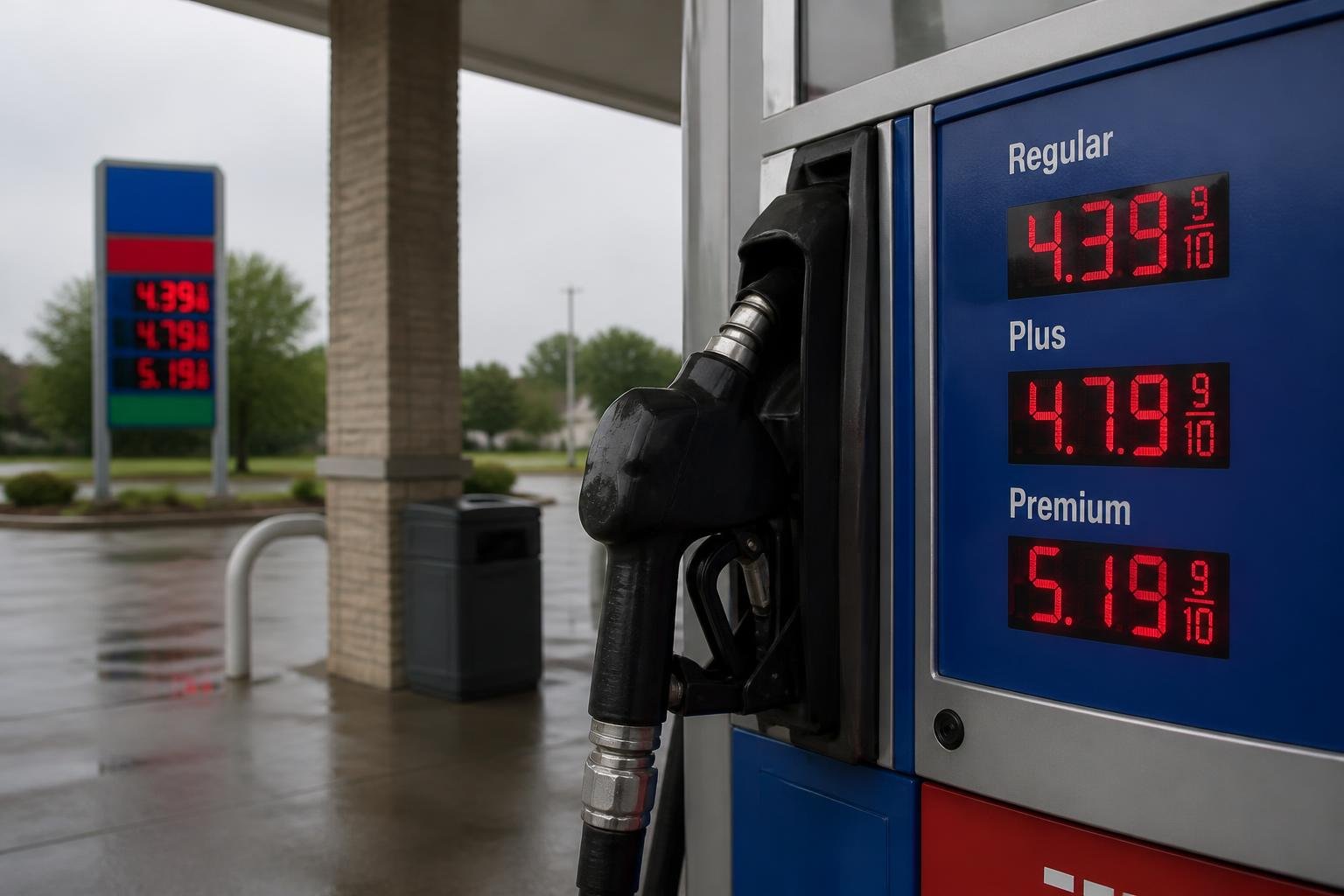
Energy costs were the main reason for Seattle’s higher rate. James McCafferty, who leads an economic and business research center at Western Washington University, said food and restaurant prices also pushed Seattle further ahead of San Francisco. He linked rising food prices to supply-chain problems and transport costs, and said grocers and restaurants faced higher labor and insurance costs.









Please note! Comments are published by readers. The opinions expressed may not reflect the position of the editorial team. NYCT is not responsible for the content of readers' opinions and asks authors to observe moral standards, not to incite national or racial hatred, and to avoid rudeness. Think before you speak. You are responsible for your words! By publishing an opinion, you agree to the rules! If this request is ignored, NYCT reserves the right to deprive the user of the ability to leave comments.